
A social casino can look familiar before its rules make sense. A balance sits above the controls, symbols move, and a bright message celebrates a result. The useful first question is what those numbers represent. This 2026 guide looks at virtual play as a leisure activity, with attention to the difference between a score and something you can actually spend.
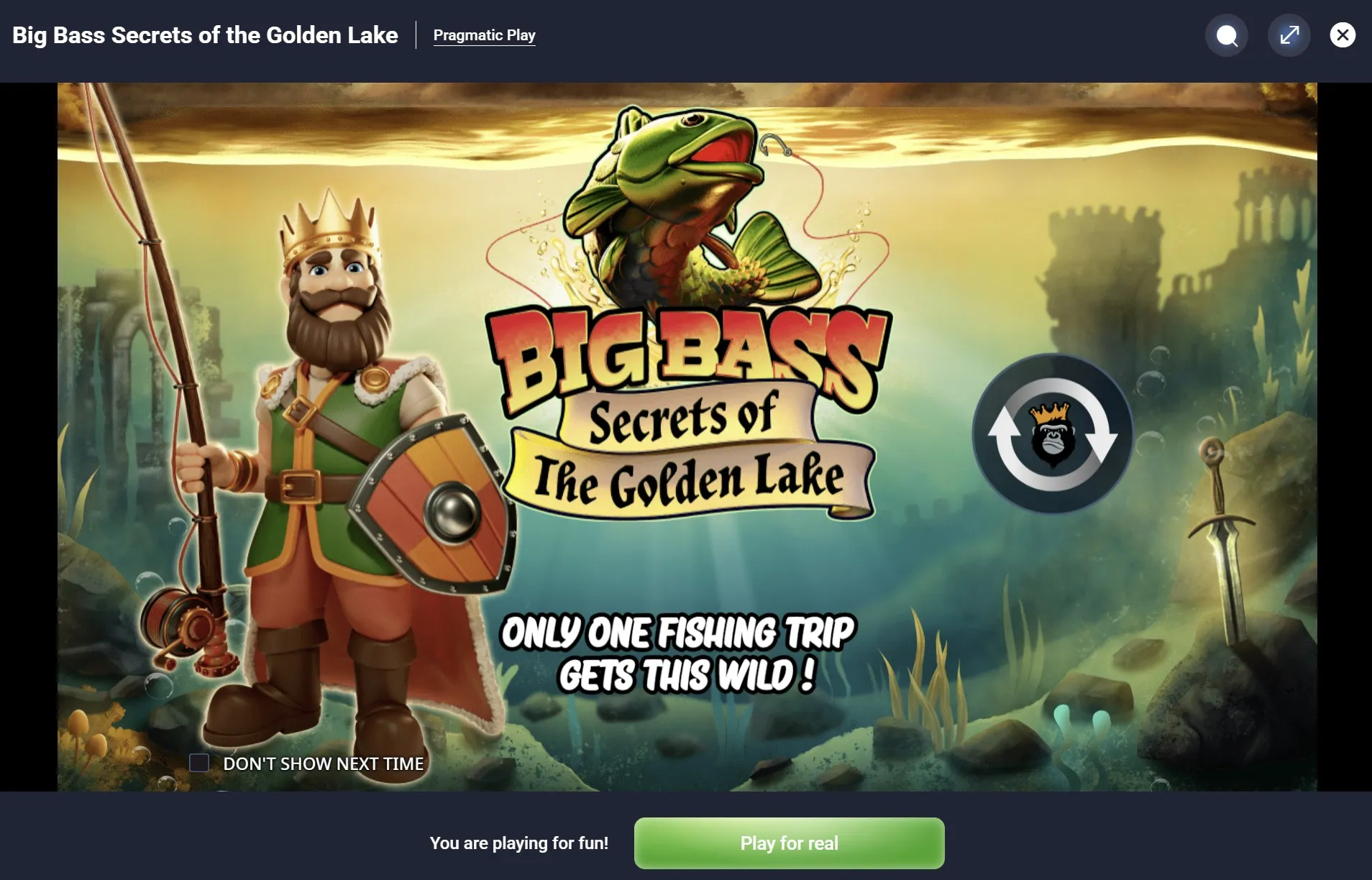
What the balance means
Start with the explanation attached to the game, rather than the size of its balance. On tablelobby, the home page describes Prime Points as virtual units with no real-world worth. That statement gives context to every increase and decrease. A large total may record a lively session, but the number alone does not turn it into a reward outside the screen.
It helps to separate the available balance from the amount used in one round. Imagine a practice display with 500 points and a round cost of 20. The cost describes one action; the balance describes what remains available. These are illustrative figures, not a promise about any title here. Check the actual controls before assuming that two games use the same scale.
For a social casino result, compare the balance before the action with the settled balance afterwards. A celebration may highlight points added during the round without explaining the overall change by itself. Read that message alongside the round cost and the rules. This simple habit makes it easier to describe what happened accurately, especially when several animations or counters compete for your attention.
Questions worth asking first
- What unit appears beside the balance and the round control?
- Does the help panel explain when points are removed or added?
- Can you identify the end of a round before starting another?
- Does the page explain whether progress stays in this browser?
Names can vary between pages, so a label is only a starting point. Look for the explanation of how that unit works in the particular game. If two pieces of wording seem inconsistent, pause and use the available support route. Guessing from an icon, a currency-like symbol or an exciting headline is a poor substitute for a clear description of the feature.
The language on screen
Words such as bonus, win and multiplier describe events within a game. Their meaning depends on the rules surrounding them. In social casino reading, a feature name should lead you to an explanation of its trigger and effect. It does not establish how often the feature appears, and a highlighted result should not become your expectation for the next round.
| Display | Useful question | Avoid assuming |
|---|---|---|
| Balance | Which virtual unit is counted? | It has cash value. |
| Round cost | What does this action use? | Every game costs the same. |
| Bonus feature | What do the rules say it does? | It must appear soon. |
A useful comparison focuses on clarity rather than the biggest number. Can you read the help text, recognise an active control and follow a completed result? Those details make a game easier to understand. They also help when you explain it to a friend, because you can describe an observable action instead of repeating the mood of its promotional wording.
A simple reading routine
- Read the point description and open the available game rules.
- Check the selected round setting before using the main control.
- Let the result finish and compare the displayed totals.
- Stop when your planned session ends, whatever the balance says.
Keep the purpose small: learn the layout, enjoy the animation or talk through the rules. A score can be interesting without becoming a task that must be repaired. For company, see our guide to shared sessions. For small screens and saved progress, read browser comfort before settling in.
Author’s opinion
I prefer social casino play when the point system is easy to explain in one calm sentence. For me, the best session ends with an understood feature or a pleasant conversation, not a target balance. I would choose clear controls over a dramatic counter every time, and leave a confusing game until its rules answer my questions. — Karl Foster